

How Poor Maintenance Lowers Ratings and Occupancy Rates?
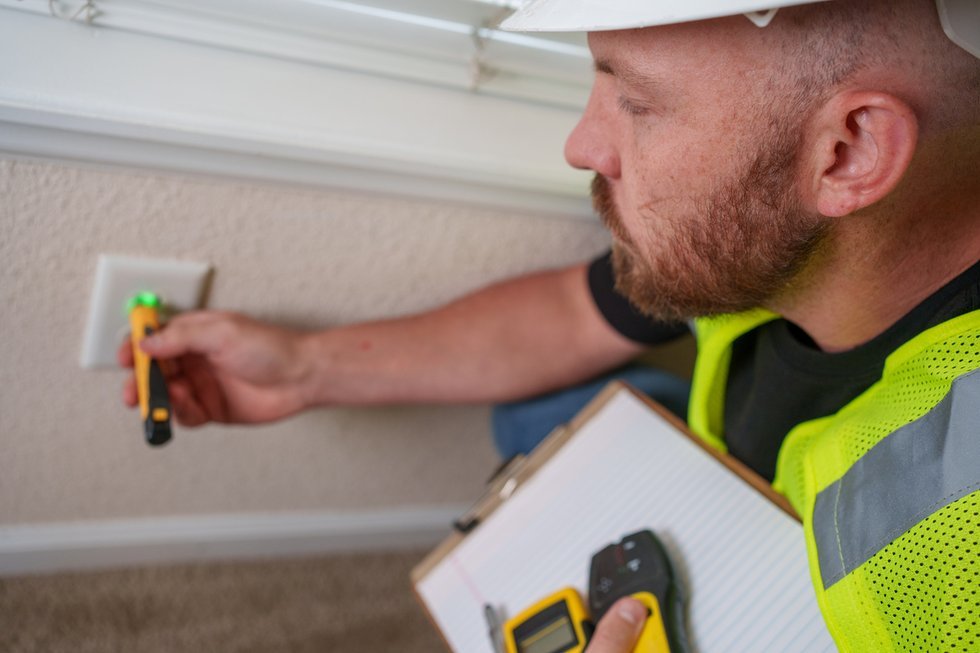 In the short-term rental market, first impressions are everything but consistency is what sustains success. While many property owners focus heavily on pricing, marketing, and listing optimization, maintenance often becomes an afterthought. This is where problems begin. Poor upkeep doesn’t just affect how a property looks; it directly influences guest experience, operational costs, and occupancy rates.
Understanding how maintenance affects performance is essential for scaling a profitable rental business. This blog breaks down how poor upkeep impacts reviews, costs, and occupancy and what you can do to stay ahead.
How Poor Rental Maintenance Hurts Reviews & Ratings
In the short-term rental space, guest reviews are one of the most powerful drivers of success. While location and pricing attract bookings, it is the overall experience that determines whether guests leave positive feedback. At the center of this experience is maintenance. When maintenance standards slip, even slightly, guests notice immediately. These issues often translate into lower ratings, negative comments, and reduced trust, all of which impact future bookings.
Cleanliness Issues Lead to Immediate Negative Feedback
Cleanliness is often seen as separate from maintenance, but the two are closely connected. Poor maintenance can lead to visible issues such as stains, odors, or worn-out fixtures that cleaning alone cannot fix. Guests expect a well-maintained environment, and when they encounter signs of neglect, it reflects poorly on the entire property. Consistent maintenance ensures that cleanliness standards are easier to achieve and sustain.
Delayed Repairs Frustrate Guests
Guests value quick solutions when problems arise. A delayed response to a repair request signals poor maintenance management. Whether it’s a leaking tap or a faulty appliance, unresolved issues create frustration and inconvenience. Timely maintenance not only resolves the problem but also shows guests that their comfort is a priority, which can significantly influence their final review.
Faulty Amenities Reduce Perceived Value
Amenities play a key role in shaping guest expectations. When essential features like Wi-Fi, air conditioning, or kitchen equipment fail due to poor maintenance, guests feel that the property does not deliver on its promise. This gap between expectation and reality often leads to lower ratings. Regular maintenance checks ensure that all amenities function as expected, preserving perceived value.
Poor Response Time Impacts Guest Trust
Trust is built through reliability, and maintenance is a critical part of that equation. When guests report issues, they expect prompt communication and action. Slow response times indicate a lack of organized maintenance processes. On the other hand, efficient maintenance systems allow property owners to address concerns quickly, reinforcing trust even when problems occur.
Negative Reviews Reduce Future Bookings
Every maintenance-related issue has a lasting impact beyond a single stay. Negative reviews influence how future guests perceive your property. Lower ratings reduce visibility on booking platforms and make it harder to compete. Consistent maintenance minimizes these risks by ensuring that guest experiences remain positive and predictable.
In a competitive market, maintenance is not just about fixing problems it is about shaping guest perception. A proactive maintenance approach helps maintain high standards, protect your reputation, and drive long-term success through better reviews and higher occupancy rates.
The Hidden Costs of Short-Term Rental Upkeep Gaps
Short-term rental owners often underestimate how deeply maintenance impacts profitability. What appears to be a small delay or overlooked repair can quietly grow into a major financial burden. Maintenance is not just about fixing what’s broken, it’s about protecting revenue, preserving property value, and ensuring consistent performance. When maintenance gaps exist, the costs are rarely immediate but always cumulative, affecting multiple areas of your business.
Small Repairs Turn Into Expensive Fixes
Ignoring minor issues is one of the most common maintenance mistakes. A dripping faucet, loose fixture, or minor crack may seem harmless at first, but without timely maintenance, these problems escalate. Water leaks can lead to structural damage, and small electrical faults can become safety hazards. Preventive maintenance ensures that these issues are handled early, saving significant repair costs in the long run.
Revenue Loss from Downtime
Every day your property is unavailable due to repairs is lost income. Poor maintenance increases the likelihood of sudden breakdowns that force you to pause bookings. Whether it’s HVAC failure during peak season or plumbing issues that make the property unlivable, these disruptions directly impact occupancy. Consistent maintenance planning reduces downtime and keeps your calendar filled.
Increased Risk of Property Damage
Without regular maintenance checks, properties become vulnerable to long-term damage. Moisture buildup, pest infestations, and wear and tear can go unnoticed until they become serious problems. These issues not only require expensive fixes but may also reduce the overall lifespan of your property. Strategic maintenance helps identify risks early and protects your asset from avoidable deterioration.
Inefficient Operations Drain Resources
When maintenance is reactive instead of proactive, operations become inefficient. Teams spend more time handling emergencies rather than following structured workflows. This lack of organization leads to higher labor costs, repeated efforts, and unnecessary stress. A well-defined maintenance system streamlines tasks, improves coordination, and ensures resources are used effectively.
Lower ROI from Reduced Occupancy
Ultimately, all maintenance gaps lead to one outcome: reduced profitability. Negative guest experiences, frequent repairs, and inconsistent availability lower occupancy rates. At the same time, rising expenses eat into margins. Effective maintenance supports better guest satisfaction, higher ratings, and stronger pricing power, all of which contribute to improved return on investment.
In the competitive short-term rental market, maintenance is not an operational detail it is a strategic advantage. Investing in regular maintenance processes helps you avoid hidden costs, maintain consistent performance, and build a more profitable rental business over time.
If you’re noticing rising costs or inconsistent performance, it may be time to rethink your maintenance strategy. The experts at Top Shelf help short-term rental owners streamline operations, reduce upkeep gaps, and maximize property performance.
Maintenance Checklist to Boost Occupancy Rates Faster
Improving occupancy isn’t always about lowering prices or increasing marketing spend sometimes, it starts with better maintenance practices. A well-maintained property creates stronger guest experiences and drives repeat bookings. This section outlines a practical checklist to help you stay ahead, reduce issues, and keep your property consistently guest-ready.
Preventive Maintenance Keeps Issues in Check
Regular inspections and preventive maintenance help identify potential issues before they affect guests. This includes checking plumbing, electrical systems, appliances, and structural elements.
Preventive care ensures that the property remains guest-ready at all times, reducing last-minute surprises.
Seasonal Fixes Improve Guest Comfort
Different seasons bring different maintenance challenges. Air conditioning systems, heating units, and insulation must be checked and optimized based on weather conditions.
Seasonal readiness enhances guest comfort, leading to better reviews and higher occupancy rates.
Regular Audits Ensure Consistency
Periodic audits help maintain quality standards across the property. These audits identify gaps in maintenance, cleanliness, and functionality, ensuring consistent performance.
Consistency is key to building trust and securing repeat bookings.
Bottom Line
Short-term rental success depends on more than just location and pricing it relies heavily on consistent maintenance. Poor upkeep doesn’t just create operational challenges; it directly impacts reviews, costs, and occupancy rates. From negative guest feedback to rising repair expenses, the consequences of neglecting maintenance can quickly escalate.
On the other hand, a proactive and structured maintenance approach transforms your property into a reliable, high-performing asset. It improves guest satisfaction, reduces unexpected costs, and ensures steady occupancy. Connect with Top Shelf today to turn maintenance into a growth advantage. In a competitive market, this can be the difference between struggling to fill bookings and running a consistently profitable rental.